
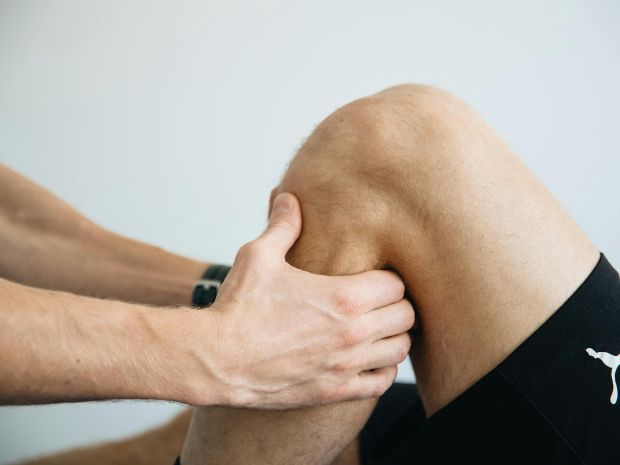
Overtraining is a common problem among all athletes, both amateur and professional. Although effort and dedication are key to improving sporting performance, uncontrolled overtraining can be detrimental to your health.
In this blog you can learn what overtraining is, the symptoms that indicate its onset and tips on how to recover and come back stronger than ever.
Read on to find out what practices you should start implementing into your routine.
CONTENT TABLE
Symptoms of Overtraining
Essential Strategies for Recovering from Overtraining
Prevention: How to Avoid Overtraining in the Future
What is the Overtraining?
Overtraining syndrome is a problem that occurs when you train too intensely or too often and don't give your body enough rest to recover. This occurs when an athlete ignores the signs of overexertion and continues to train.
Symptoms of Overtraining
Symptoms are the tool with which the athlete can detect the body's signals that hint at overtraining.
Let's take a closer look at what these symptoms are:
Constant Fatigue
Lack of energy and constant fatigue is one of the first things we are going to notice when over-exercising the body, this makes the athlete feel tired and start to notice a feeling of apathy.
Recurring Injuries
Recurring injuries are those caused by repetitive use and overuse of certain muscles in the body.
This type of injury usually causes inflammation of the affected area and can lead to muscle strain.
Sleep disturbances
Insomnia and other sleep disturbances are also one of the symptoms of overtraining. High cortisol levels cause the natural cycle of rest to change, making it difficult to get to sleep and stay asleep.
Decreased Athletic Performance
Because overtraining brings with it muscle pain and fatigue, the athlete may also experience a downgrade in physical performance. This occurs because the body fails to reach the intensity it needs when training.

Essential Strategies to Recover from Overtraining
Once the symptoms have been detected, various practices should be carried out that will help the body to rest and will serve to speed up the recovery process in order to return to normal as soon as possible:
Rest and Active Recovery
The first step is a rest from physical activity, which should be accompanied by active recovery, such as gentle stretching, massage and other low-intensity exercises. This will help the body to improve blood circulation.
Nutrition and Hydration
Depending on what type of physical activity has led to the body being overloaded, care should be taken with nutrition so that the calories consumed meet the need for recovery. It is also essential to keep the body hydrated.
Example: Proteins are important for athletes who focus their training on muscular strength and power, while carbohydrates provide energy for endurance athletes.
Mental Recovery Techniques
On a mental level, some relaxation exercises can be performed to promote well-being during the day, reducing stress and facilitating sleep at night.
Prevention: How to Avoid Overtraining in the Future
Once the body has recovered, good habits should be added to help prevent future cases of overtraining.
Training Planning: Balancing Effort and Rest
It is crucial to maintain a good balance between effort and rest so that the body does not relapse.
To have a proper ratio you should rest 1 day for every two days of physical exertion.
Recognizing Signs of Fatigue
Everyone should learn to recognise the signals that the body sends when it is exhausted and should not be ignored to avoid possible physical relapses.
Maintaining a Balanced Lifestyle
Maintaining a balanced lifestyle is important to set a healthy pattern that will lead the athlete to feel better emotionally and physically.
Frequent Questions about Overtraining
How long does it take to recover from overtraining?
Depending on the level of demand of the sport or activity varies, but generally the recovery time with these characteristics is between 4 and 12 weeks.
How can I speed up my recovery?
Staying hydrated, taking care of your diet and getting adequate rest are some of the keys to a fast and effective recovery.
Can overtraining cause permanent damage?
It depends on what stage of overtraining the body is in, with the earliest stages usually disappearing within a few weeks.
But the more developed stages can leave a permanent mark on our physical and mental health.
If you're ready to train smarter and avoid overtraining, join our group trips designed for athletes - don't wait any longer!
Book your place on our next trip and take your training and wellness to the next level.